
After a handful of lovely, easy kiddings this January, we had a really hard night and ended up losing Tilly, a young two year old second freshener.
When Tilly’s labor just wasn’t progressing, I checked and realized something wasn’t right. The kids felt deformed and were impossible to reposition or move, no matter what I tried. I’m normally very good at repositioning kids if needed, and assisting struggling does in labor. So this was extremely concerning, and C-section seemed to be our only option.
After talking with our vet and pricing a C-section (which was actually very reasonable I think), we made the difficult decision to put Tilly down and attempt a quick C-section to see if the kids could be saved. I could tell this was probably futile, because of how ridiculously stiff and deformed they felt.
It was a stressful, emotional situation, but Gabe and I worked together as calmly and quickly as we could to do what needed to be done. Everything went smoothly, but the kids were too deformed to survive. Most likely, they had already passed during labor.
The kids were completely stiff and very twisted in the spines, having locked/fused joints. One kid was missing it’s back legs below the knees. As far as I could tell the heads were at least superficially quite normal looking. Their hair looked normal. I believe they were alive until partway through labor.
In moments like that, you go into survival mode. I felt like I had tunnel vision — focused only on caring for Tilly, finishing what needed to be done, and getting everything cleaned up before any of our children happened to come out to the barn. I didn’t think to take pictures or save anything for testing.
Later, after talking with our vet, we made a plan for how we’ll handle a situation like this in the future. But in the moment, we simply did the best we could with the information we had. I would definitely at least take pictures if I ever encounter something like this again.
One thing people don’t talk about much with livestock, is the weight of these type of decisions.
There’s always that quiet fear of being judged — of wondering if others will think we were careless or heartless. The truth is, sometimes good stewardship looks like doing everything you can… and sometimes it looks like letting go. For several of my does, I wouldn’t hesitate to haul them in for surgery. But knowing these kids likely weren’t viable, and taking into account which doe it was, resulted in the decision we made this particular time.
These choices are never easy, but they’re part of the responsibility we accept when we care for animals.
Someone recently asked, “Why do we even do this goat thing?” I found myself asking the same question that night.
Honestly, in hard moments, it’s difficult to remember why. But I keep coming back to this: often God calls us to walk by faith, not always knowing the why.
The bad days don’t cancel out the good — they remind us that caring for animals means accepting both the joy and the loss. Our little herd has brought people, friendships, experiences, and opportunities into our lives that never would have happened otherwise.
This is livestock life. It’s beautiful, fulfilling, but also sometimes heartbreaking.
Sharing photos of some of our current batch of kids — perfectly healthy and thriving — as a reminder that joy and loss often live side by side on the farm.
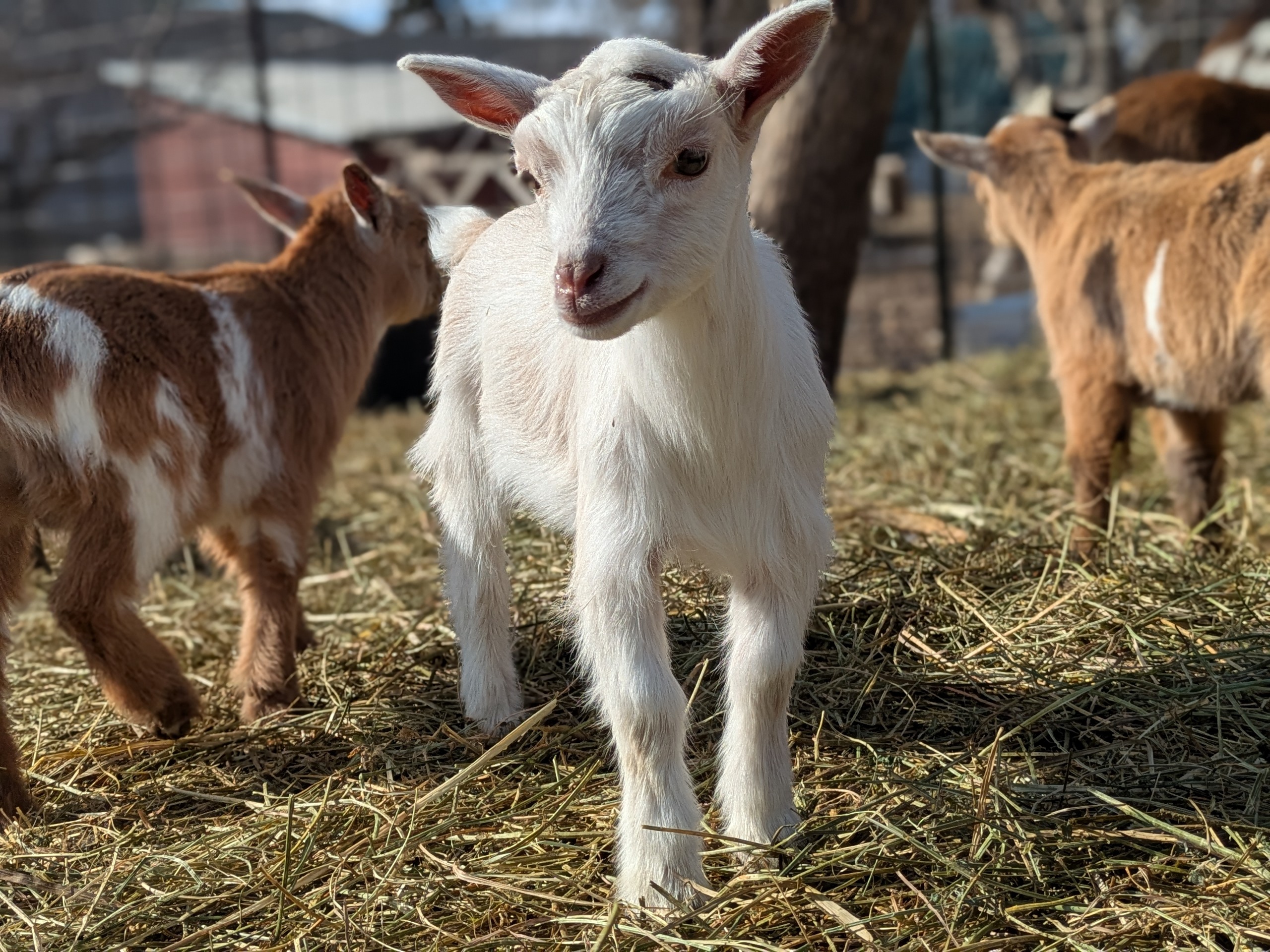
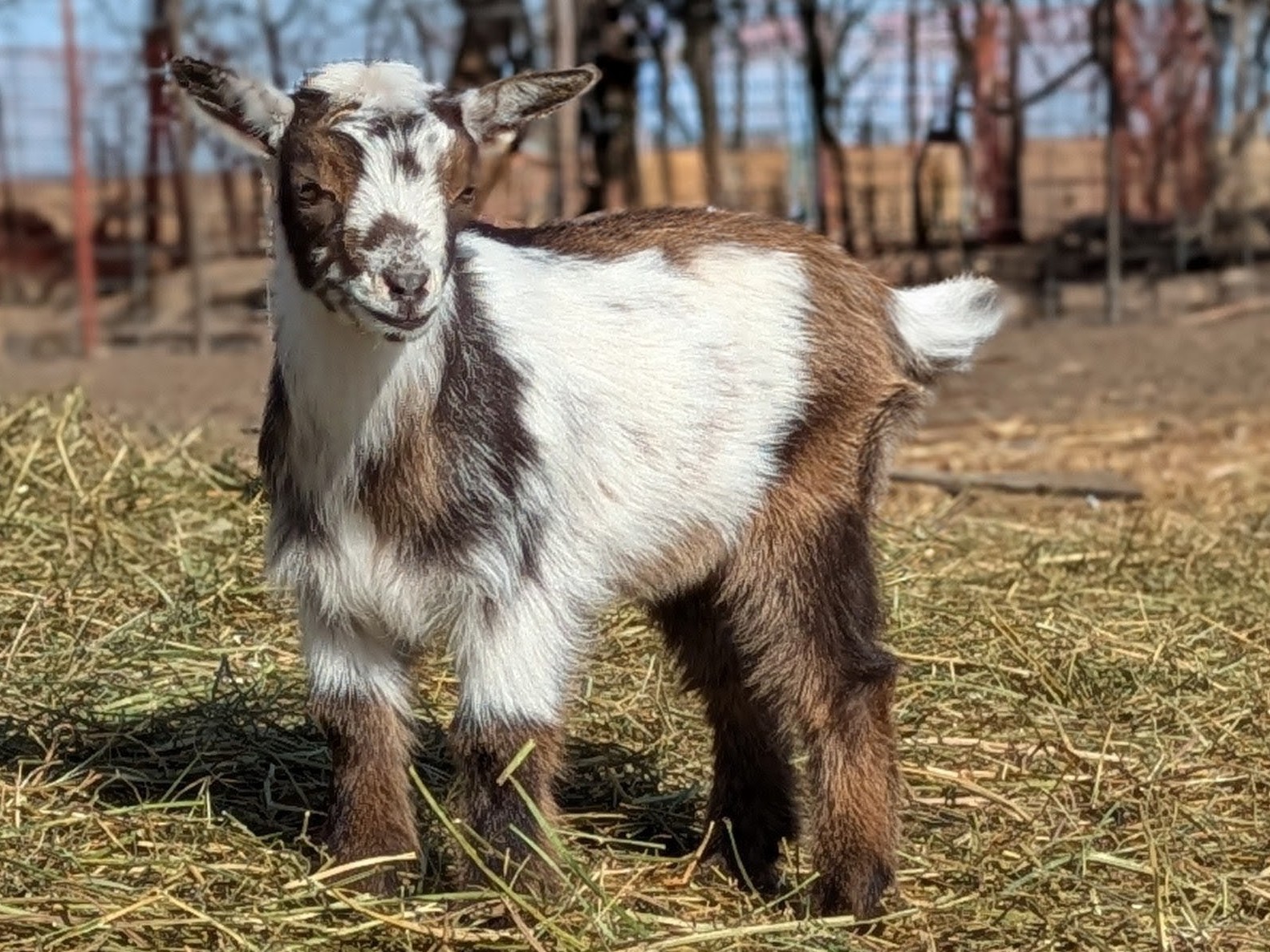
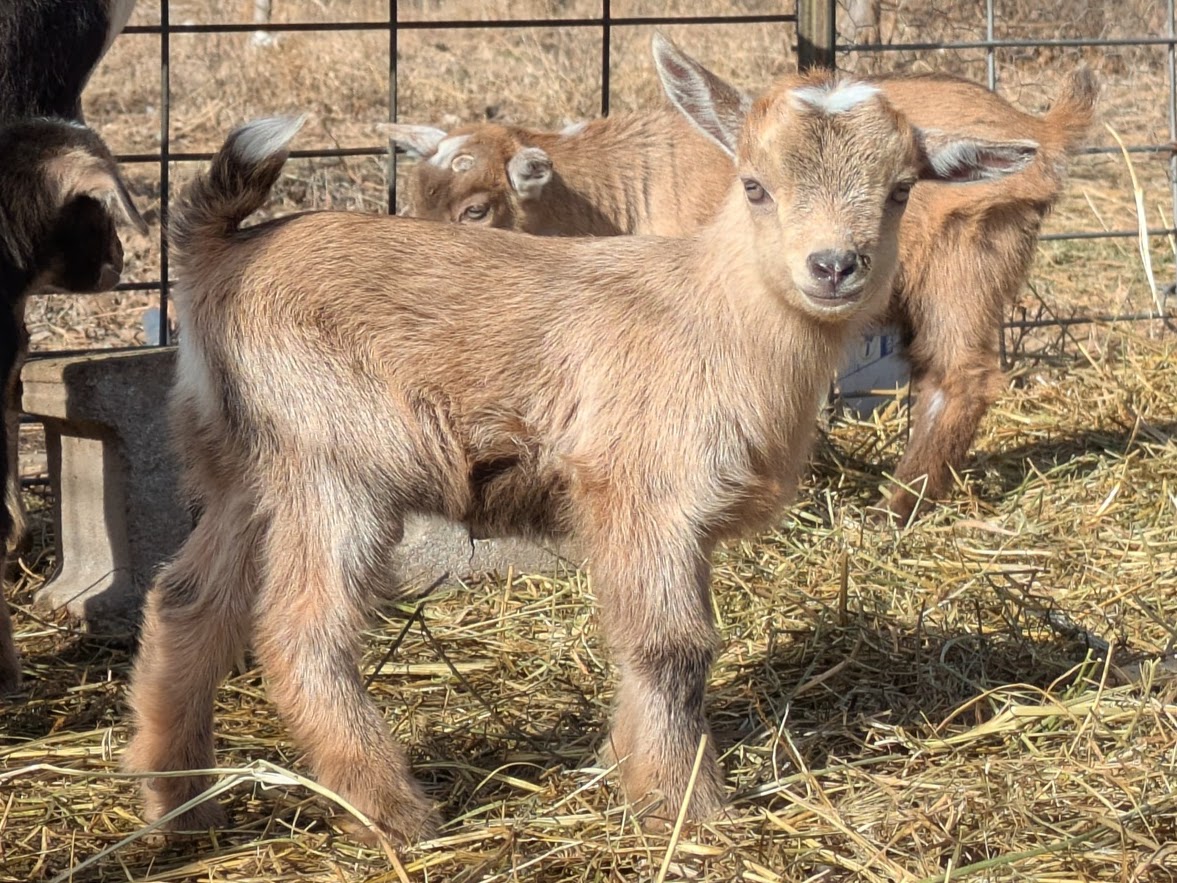
And this was the doe we lost. Plum Bush Z Totality She was daughter of our sweet Honey, who is now living her best life at Grace Gate Farm. We still have her maternal half-sister, Luna, here to carry on Honey’s legacy.

 Plum Bush Farm
Leave a comment